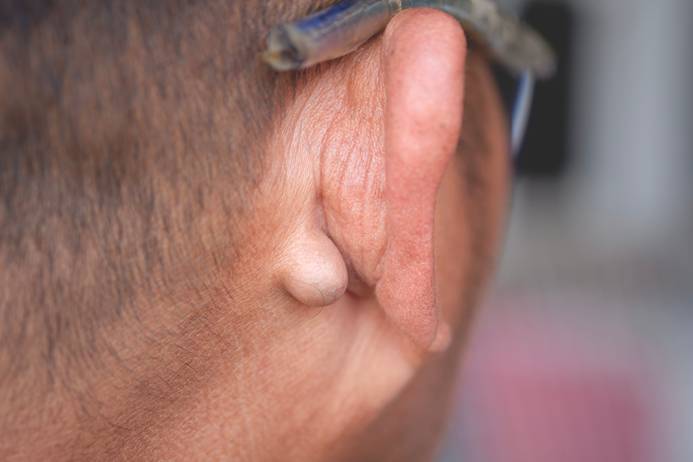
Lesions, cysts and lumps are common skin concerns, and in many cases they are harmless. However, a new or changing growth can sometimes require further assessment, particularly if it changes in size, shape, colour or texture.
At Cathedral Dermatology, we assess and treat a range of lesions, cysts and lumps, including moles, cysts, warts and skin cancers. For patients who require surgical removal, our team also includes consultant plastic surgeons who can provide specialist surgical expertise.
This can be particularly relevant when a lesion, cyst or lump is larger, more complex or located in an area where closing the wound after removal may require careful consideration. In selected cases, reconstructive techniques such as a skin flap or graft may be considered as part of the surgical plan.
What Are Lesions, Cysts and Lumps?
The terms lesions, cysts and lumps can describe a wide variety of changes that develop on or beneath the skin.
A skin lesion is a broad term used to describe an area of skin that looks or feels different from the surrounding skin. Lesions can be flat or raised, and may differ in colour, shape or texture. They can be present from birth or develop over time.
A cyst is a type of lump that can develop under the skin. There are different types of cyst, and their appearance and characteristics can vary.
A lump is another general term that can describe a swelling or growth beneath or within the skin.
Importantly, not every lump or lesion is the same, which is why assessment is important when you have concerns about a change to your skin.
When Should They Be Checked?
There are several reasons why you may decide to have lesions, cysts and lumps assessed by a medical professional.
One reason is a change in appearance. If a lesion becomes different in size, shape, colour or texture, it may warrant further assessment.
You may also seek advice if a lump or cyst is causing irritation, particularly if it regularly catches on clothing or jewellery.
Some patients are concerned about the appearance of a lesion and may wish to discuss whether removal is appropriate for cosmetic reasons.
In other cases, removal may be recommended for medical reasons, including where there is concern that a lesion could be cancerous.
It is not possible to determine whether a particular lesion is harmless simply from the fact that it is a lump or growth. An appropriate clinical assessment is therefore an important first step.
Do All Skin Growths Need to Be Removed?
No. Removal is not automatically necessary simply because you have a lesion, cyst or lump.
The appropriate approach depends on the individual circumstances, including what the growth is, where it is located, how it looks and whether there are any symptoms or concerns associated with it.
At consultation, your clinician can assess the area and discuss whether removal is appropriate.
Where a lesion is removed, the tissue can be sent for histology. This means that the tissue is examined under a microscope in a specialist laboratory to help determine whether it is benign or malignant.
This can provide important information about the nature of the lesion following its removal.
What Happens When a Lesion Is Removed?
The exact procedure will depend on the type, size and location of the lesion.
For suitable cases, removal can be carried out under local anaesthetic. Local anaesthetic numbs the treatment area while you remain awake.
Following removal, the tissue is sent to a specialist laboratory for histological analysis. The wound may then be closed with fine stitches where appropriate.
For some straightforward procedures, the stitches are typically removed after around a week, although this can depend on the location and the individual procedure.
Histology results are generally available within one to two weeks, after which your consultant can review and discuss the results with you.
However, not every wound can necessarily be managed in exactly the same way. This is particularly relevant when dealing with larger lesions, cysts and lumps.
Why Larger Growths May Require Specialist Surgical Planning
The size and location of a lesion can make a significant difference to how removal is approached.
A small lesion may leave a relatively small wound that can be closed directly with stitches. A larger lesion, however, may leave a more substantial area that needs to be managed following removal.
There can also be additional considerations when a lesion is located in an area where there is limited skin available to close the wound.
This is one reason why access to plastic surgeons can be particularly valuable for patients with larger or more complex lesions, cysts and lumps. This may include larger lipomas, scalp cysts or growths, where the size or location of the area being treated needs to be considered as part of the surgical plan.
Depending on the area and nature of the growth, examples of concerns that may require specialist surgical assessment can include:
- Lipomas
- Larger scalp cysts, cancers or tumours
- Face lesions, growths and tumours or cancers
- Eyelid lesions
- Lesions affecting the hands or toes, including myxoid cysts and ganglion-type lumps
Plastic surgeons have specialist training in reconstructive surgery as well as surgical procedures to remove abnormal tissue. Where appropriate, they can consider different ways of managing the area following removal.
Depending on the individual case, this could include direct closure, a skin flap or a skin graft.
The appropriate technique will always depend on the individual patient, the lesion being removed and the resulting wound. A flap or graft will not be necessary for every patient.
What Is a Skin Flap?
A skin flap is a reconstructive technique in which skin and underlying tissue are moved from an adjacent area to help cover a surgical wound.
For some larger lesions, cysts and lumps, there may not be enough suitable skin immediately around the area to achieve the desired closure simply by bringing the edges together.
In selected cases, a flap may therefore be considered as part of the reconstruction.
There are different types of skin flap, and the appropriate approach depends on factors such as the size and position of the wound and the surrounding tissue.
Your plastic surgeon will explain whether this type of reconstruction is relevant to you as part of your consultation.
What Is a Skin Graft?
A skin graft involves taking a section of skin from another area of the body and using it to cover a wound.
As with flap surgery, a graft may be considered in situations where direct closure is not the most appropriate option.
Whether a skin graft is suitable will depend on the individual circumstances of the patient and the wound created following removal.
For patients with larger lesions, cysts and lumps, having access to plastic surgical expertise means that reconstruction can be considered alongside the removal procedure where appropriate.
Why Location Can Influence Treatment
The location of a lesion can be just as important as its size when planning removal.
Skin lesions can occur anywhere on the body. Some areas have more available skin than others, while some locations require particularly careful surgical planning.
The face is one example where the position of a lesion can be an important consideration. Face lesions, growths and tumours or cancers may require careful assessment of the surrounding area and consideration of how the wound will be managed following removal.
Larger lesions, cysts and lumps can therefore require more consideration than a small lesion in an area where the skin can be closed easily.
This does not mean that every large lesion will require reconstructive surgery. Rather, it means that the surgical approach needs to be considered on an individual basis.
When a Skin Growth Requires Further Investigation
Some skin growths are benign, while others can be malignant.
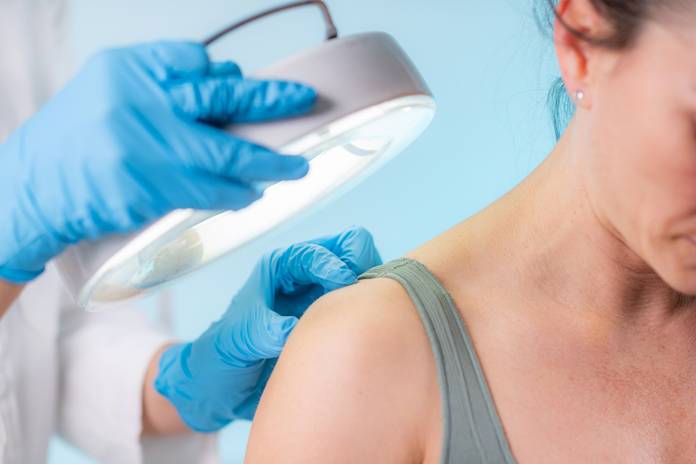
A lesion that changes in appearance, including changes to its size, shape, colour or texture, may require medical assessment.
Where there is suspicion of skin cancer, removal and histological examination can form part of the diagnostic and treatment pathway.
At Cathedral Dermatology, our dermatology and plastic surgery teams work alongside one another. This means that where surgery is required, both the skin condition and the surgical requirements can be considered.
When Plastic Surgical Expertise May Be Helpful
There is an important difference between removing a growth and considering how the area will be managed afterwards.
For some lesions, cysts and lumps, removal and direct closure may be relatively straightforward.
For larger growths, however, the resulting wound can require a different approach. The surgeon may need to consider the amount of tissue removed, the location of the wound and how much surrounding skin is available.
This is where a plastic surgeon’s reconstructive training can be relevant.
At Cathedral Dermatology, our consultant plastic surgeons have experience across reconstructive and aesthetic plastic surgery, with individual areas of specialist interest including head and neck reconstruction, lower limb reconstruction, microsurgery and other reconstructive procedures.
Their involvement means that reconstructive options can be considered where they are clinically appropriate.
Meet Our Consultant Plastic Surgeons
Cathedral Dermatology has four consultant plastic surgeons who bring different areas of training and experience to the team.
Mr Michael McBride, FRCS (Plast)
Mr Michael McBride completed his medical studies at Queen’s University Belfast before undertaking surgical training in Northern Ireland and advanced plastic, reconstructive and aesthetic surgery training and fellowships across the UK, Europe and internationally.
Mr Nicholas Hodgins, FRCS (Plast)
Mr Nicholas Hodgins is a UK Consultant Plastic Surgeon with experience in reconstructive and aesthetic plastic surgery.
He completed his medical degree at the University of Newcastle Upon Tyne and subsequently undertook specialist plastic surgery training across several UK centres, including Belfast.
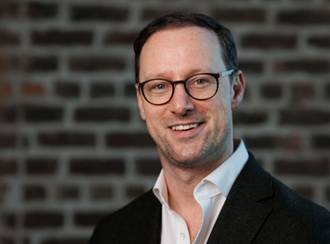
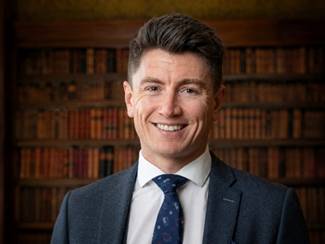
Mr Jamie Clements, MB BCh BAO(Hons) MRes FRCS(Plast)
Mr Jamie Clements is a Plastic Surgeon with experience in reconstructive, microsurgical and aesthetic procedures.
He trained in medicine at Queen’s University Belfast and holds a Master’s in Research. He is a Fellow of the Royal College of Surgeons and is on the GMC Specialist Register for Plastic Surgery.
What Our Patients Say
Choosing where to have a skin concern assessed or removed can feel like a significant decision. Patient experiences can offer an insight into what to expect from the wider care pathway.
“Went for a consultation regarding concerns for a mole that had changed shape and colour. Staff very friendly and helpful. Dr Bryan was so nice, put me at ease and explained everything to me. Had procedure done again very nice, and very professional. Highly recommend.”
“First class professional advice and service from Dr Bryan Murphy, Michelle and Orlaith. Very warm and welcoming from the minute I stepped through the door. This put me at ease and reassured me that I was in the right place with the right people as I was extremely nervous. All questions were answered with positive realistic solutions.”
A Combined Dermatology and Plastic Surgery Approach
One of the benefits of having dermatology and plastic surgery expertise within the same service is the opportunity for specialists to work together when appropriate.
A dermatologist can assess a skin concern and determine the appropriate pathway, while a plastic surgeon can provide specialist surgical input where removal or reconstruction is required.
For patients with lesions, cysts and lumps, this can be particularly relevant when a growth is larger, located in a challenging area or requires consideration of how the resulting wound will be managed.
The aim is to ensure that the treatment plan is based on the individual patient rather than taking a one-size-fits-all approach.
Upper Eyelid Surgery at Cathedral Dermatology
If excess or sagging skin around the upper eyelids is affecting your appearance or, in some cases, your vision, upper blepharoplasty may be an option. Our consultant plastic surgeons carefully remove excess skin and, where appropriate, small amounts of fat to create a more open, refreshed appearance while maintaining the natural shape and function of the eyes. The procedure can be performed under local anaesthetic depending on the individual patient and complexity of the surgery, with treatment tailored to your needs and expectations.
What Can I Expect at My Consultation?
Your consultation provides an opportunity to discuss your concerns and have the area assessed.
Your surgeon will consider the lesion, cyst or lump, including its location and characteristics, alongside your medical history and individual circumstances.
If removal is recommended, the procedure can be explained to you, including how the area will be treated afterwards.
Where a larger growth is being considered for removal, your surgeon can also discuss whether reconstructive techniques such as a flap or graft may be relevant.
Not every patient will require reconstruction, and the appropriate approach will be determined following assessment.
Looking After Your Skin
It is important to pay attention to changes in your skin and seek appropriate medical advice if you are concerned about a new or changing growth.
Although many lesions, cysts and lumps are harmless, changes in appearance should not simply be ignored.
If you notice a growth that is changing in size, shape, colour or texture, or if a lump is causing irritation or other concerns, an assessment can help determine the appropriate next step.
Assessment and Treatment at Cathedral Dermatology
At Cathedral Dermatology, we provide assessment and treatment for a range of lesions, cysts and lumps, including moles, cysts, warts and skin cancers.
Our consultant dermatologists work alongside consultant plastic surgeons, providing access to specialist surgical expertise when required.
For smaller or straightforward lesions, removal may involve local anaesthetic and direct closure. For larger or more complex cases, the surgical plan may need to take reconstruction into consideration, with techniques such as skin flaps or grafts potentially considered where appropriate.
The right treatment will always depend on the individual patient and the nature and location of the lesion.
If you are concerned about lesions, cysts and lumps or have been advised that a growth may require surgical removal, a consultation can provide an opportunity to discuss your options with a specialist.
Contact Cathedral Dermatology to arrange a consultation and discuss your individual treatment options on 028 9032 2020.