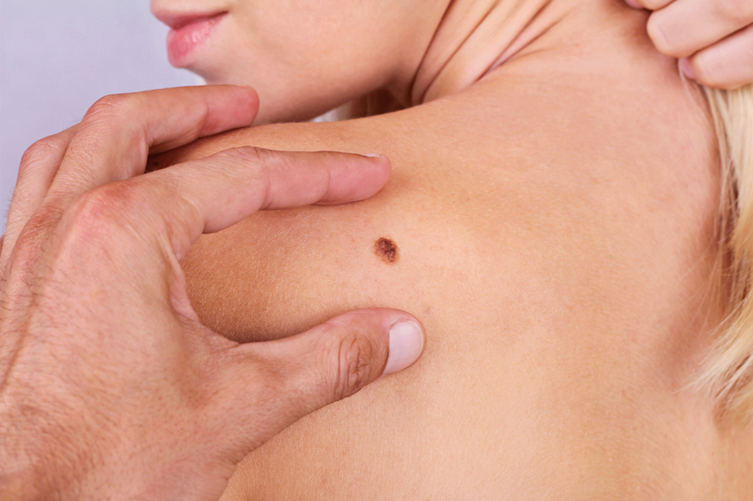
Finding the right specialist for the removal of a skin lesion, cyst or lump is an important part of ensuring you receive appropriate care. While many skin lesions can be removed with a relatively straightforward procedure, some are larger, more complex or located in areas where closing the wound requires careful planning.
At Cathedral Dermatology, our team includes plastic surgeons in Belfast who can provide specialist surgical assessment and treatment alongside our consultant dermatology team. This collaborative approach is particularly relevant for patients who require removal of a larger lesion, cyst, lump or skin cancer where the wound may require more advanced reconstruction.
Depending on the individual case, reconstruction may involve techniques such as a skin flap or skin graft to help repair the area following removal. Having access to plastic surgical expertise means that treatment can be planned with both the removal of the lesion and the management of the resulting wound in mind.
When Might You Need a Plastic Surgeon for a Skin Lesion?
Skin lesions are common and can include benign moles, cysts, warts and skin cancers. They can vary considerably in size, shape, location and complexity.
A larger lesion may leave a wound that cannot simply be closed with a few stitches. The location of the lesion can also influence the surgical approach. Face lesions, growths and tumours or cancers, as well as eyelid lesions, may require careful consideration of the surrounding skin and structures when planning removal and, where necessary, reconstruction.
This is where plastic surgeons in Belfast can offer an important part of the treatment pathway.
Plastic surgeons are trained in both the removal of abnormal tissue and the reconstruction of areas following surgery. For suitable patients, reconstructive techniques such as local skin flaps or skin grafts may be considered where these are appropriate to the individual wound.
The precise approach will always depend on the lesion, its size and location, the amount of tissue that needs to be removed and the patient’s individual circumstances.
Larger Lesions, Cysts and Lumps
One of the key reasons to consider specialist plastic surgical input is when a lesion, cyst or lump is larger or more complex.
For a smaller lesion, removal may involve a relatively simple procedure under local anaesthetic. The tissue can then be sent for histology, where it is examined under a microscope to establish whether it is benign or malignant.
A larger lesion can present different surgical considerations. This can include lipomas, larger scalp cysts, tumours or skin cancers, where removal may leave a more substantial wound and simply bringing the edges of the skin together may not always be the most appropriate approach.
In these circumstances, our plastic surgeons in Belfast can assess the area and consider the most suitable method of reconstruction.
Our plastic surgeons may assess a range of larger or more complex concerns, including:
- Lipomas
- Larger scalp cysts, tumours and skin cancers
- Face lesions, growths and tumours or cancers
- Eyelid lesions
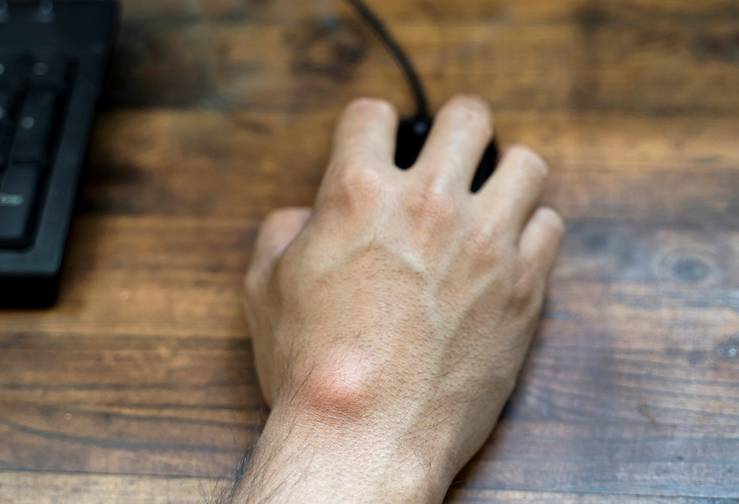
- Hand and toe lesions, including myxoid cysts and ganglion-type lumps
What Is a Skin Flap?
A skin flap involves moving skin and its underlying tissue from an area close to the wound so that it can be used to help reconstruct the surgical site.
Because the tissue comes from nearby, a flap can sometimes be useful when there is not enough skin available to close a wound directly.
There are different types of flap procedures, and the technique selected depends on factors including the location and size of the wound and the surrounding tissue.
What Is a Skin Graft?
A skin graft involves taking a section of skin from another area of the body and using it to cover a wound.
Skin grafting can be considered when there is insufficient surrounding skin to close the area directly or when a different method of reconstruction is appropriate.
Whether a flap, graft, direct closure or another technique is suitable will be determined during your surgical assessment.
Skin Cancer and Reconstructive Surgery
When a skin lesion is suspected to be cancerous, removal of the affected tissue is an important part of treatment. The surgical approach will depend on the individual lesion and the treatment required.
At Cathedral Dermatology, our dermatology and plastic surgery teams work alongside one another, allowing patients to access both dermatological and surgical expertise.
This can be particularly useful where removal of a skin cancer may result in a larger wound or where reconstruction needs to be considered as part of the surgical plan.
The aim is not simply to remove the lesion. The surgical team must also consider how the area can be managed afterwards, taking into account the location, size and individual characteristics of the wound.
For patients looking for plastic surgeons in Belfast, this combined dermatology and plastic surgery approach provides access to specialists who can assess the medical and surgical aspects of treatment.
What Happens When a Lesion Is Removed?
The exact procedure depends on the lesion being treated.
Where appropriate, a lesion may be removed under local anaesthetic. This numbs the treatment area while you remain awake and comfortable.
The removed tissue can then be sent to a specialist laboratory for histology. Histology involves examining the tissue under a microscope to determine whether it is benign or malignant.
For straightforward wounds, the area may be closed using fine stitches. These are typically removed after around a week, depending on the location and individual circumstances.
For larger or more complex wounds, a different reconstructive approach may be considered. This is where consultation with our plastic surgeons in Belfast can be particularly relevant, as the surgical plan can take reconstruction into consideration from the outset.
Histology results are generally available within one to two weeks, with our team reviewing and discussing the results with you.
Why Work with Dermatology and Plastic Surgery?
Skin conditions can sometimes require more than one area of specialist expertise.
A consultant dermatologist can assess a lesion and help determine the appropriate diagnostic or treatment pathway. Where surgery is required, a plastic surgeon can assess the surgical requirements and, where appropriate, the options for reconstruction.
At Cathedral Dermatology, our consultant dermatologists and plastic surgeons in Belfast work alongside one another.
This means that patients can benefit from a joined-up approach where dermatological assessment, surgical treatment and reconstruction can be considered as part of the same overall pathway.
This may be particularly relevant for patients with larger lesions, cysts, lumps or skin cancers where the surgical procedure may leave a more substantial wound.
Meet Our Plastic Surgeons in Belfast
Our team includes four consultant plastic surgeons, each with their own areas of training and expertise.
Mr Michael McBride, FRCS (Plast)
Mr Michael McBride completed his medical studies at Queen’s University Belfast before undertaking surgical training in Northern Ireland and advanced specialist training and fellowships in plastic, reconstructive and aesthetic surgery across the UK, Europe and internationally.
His training has covered a broad range of plastic surgery, including reconstructive techniques. His specialist interests include aesthetic surgery, lower limb reconstruction, hand and peripheral nerve surgery, facial palsy, and head and neck reconstruction.
Mr McBride is a Fellow of the Royal College of Surgeons of Edinburgh and is on the GMC Specialist Register for Plastic Surgery. He is a full-time Consultant Plastic Surgeon in Belfast and Dublin.
He has also completed postgraduate qualifications in areas including reconstructive microsurgery, hand surgery, orthopaedic oncology, plastic and reconstructive surgery, and facial plastic and reconstructive surgery.
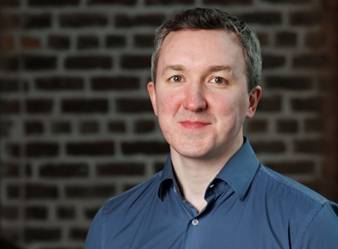
Mr Nicholas Hodgins, FRCS (Plast)
Mr Nicholas Hodgins is a fully accredited UK Consultant Plastic Surgeon with experience across reconstructive and aesthetic plastic surgery.
He completed his medical degree at the University of Newcastle Upon Tyne before undertaking surgical training and entering specialist higher surgical training in Plastic Surgery. His training included experience in several centres across the UK, including Belfast.
Following completion of his plastic surgery training, Mr Hodgins undertook an oncoplastic breast surgery fellowship at the Nightingale Breast Centre in Manchester, gaining further training in oncological, reconstructive and aesthetic breast surgery.
He subsequently completed a fellowship in aesthetic surgery awarded by the British Association of Aesthetic Plastic Surgeons (BAAPS), developing further experience in cosmetic procedures involving the abdomen, face and eyelids.
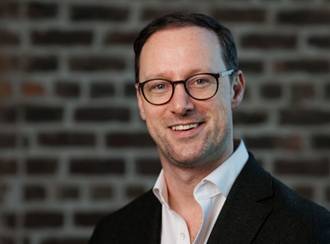
Mr Jamie Clements, MB BCh BAO(Hons) MRes FRCS(Plast)
Mr Jamie Clements is a Consultant Plastic Surgeon with experience in reconstructive, microsurgical and aesthetic procedures.
He completed his medical training at Queen’s University Belfast, graduating with honours, and holds a Master’s in Research. He is a Fellow of the Royal College of Surgeons and is listed on the GMC Specialist Register for Plastic Surgery.
Following specialist plastic surgical training in Northern Ireland, Mr Clements undertook an international Microsurgery fellowship in Newcastle-upon-Tyne. His training included head and neck, sarcoma and extremity reconstruction.
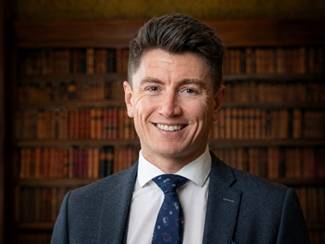
Plastic Surgeons in Belfast for Reconstructive and Cosmetic Surgery
While specialist plastic surgery is particularly relevant to patients requiring reconstruction following removal of larger or more complex lesions, our plastic surgeons in Belfast also provide a range of other surgical procedures. These can include lesions affecting the hands or toes, such as myxoid cysts and ganglion-type lumps, alongside hand surgery procedures such as trigger finger release, carpal tunnel decompression and Dupuytren’s fasciectomy.
The team also provides selected cosmetic procedures, including prominent ear correction, also known as otoplasty, and upper eyelid surgery or blepharoplasty.
The appropriate treatment will always depend on an individual’s circumstances, medical history and expectations.
A Collaborative Approach to Your Care
Choosing a specialist for surgery can be an important decision, particularly when a lesion, cyst, lump or skin cancer is larger or located in a more complex area.
At Cathedral Dermatology, our plastic surgeons in Belfast work alongside our consultant dermatology team so that the assessment and surgical management of skin conditions can be considered together.
For some patients, straightforward removal and closure may be appropriate. For others, particularly where a larger lesion needs to be removed, reconstructive surgery may need to form part of the treatment plan.
Techniques such as skin flaps or grafts may be considered where clinically appropriate, with the specific approach determined by the surgeon following assessment.
The priority is to develop an individual treatment plan based on the patient’s condition, the area being treated and the surgery required.
Book a Consultation with Our Plastic Surgeons in Belfast
If you have a larger lesion, cyst or lump that requires assessment, or you have been advised that removal may require more complex surgical reconstruction, a consultation with one of our plastic surgeons in Belfast can help you understand your options.
At Cathedral Dermatology, our plastic surgery and dermatology teams work together to provide assessment and treatment for a range of skin conditions, including benign lesions, cysts, warts and skin cancers, alongside reconstructive and cosmetic procedures.
Your surgeon will discuss your concerns, examine the area and explain the appropriate treatment options for your individual circumstances.
To arrange a consultation with our plastic surgeons in Belfast, contact Cathedral Dermatology or book an appointment with our team on 028 9032 2020.