Modern life can leave little time for self care, especially when juggling work, family, exercise, social commitments, and everyday responsibilities. Many patients want effective skin treatments that fit into their routine without lengthy recovery times or complicated aftercare. That is exactly why LED therapy has become one of the most popular supplementary non-invasive skin treatments available today.
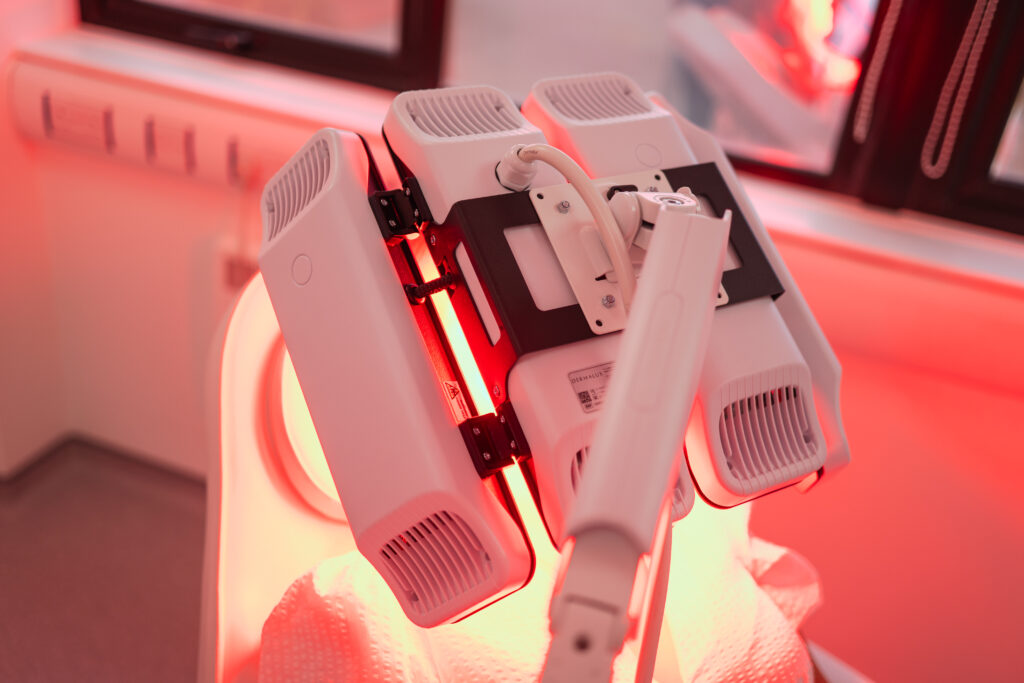
At Cathedral Dermatology, we offer the advanced Dermalux Tri-Wave MD, widely recognised as one of the world’s most powerful LED phototherapy systems. This clinically proven treatment is supplementary alongside the treatment of medical diagnosis, as it delivers targeted wavelengths of light to support skin rejuvenation, calm inflammation, and improve a range of skin concerns, all with no downtime.
Whether you are looking to manage acne breakouts, reduce redness, support wound healing / scar therapy, or improve overall skin health, LED therapy can be an excellent supplementary solution for busy patients seeking visible results, with minimal disruption to their schedule.
What is LED Therapy?
LED therapy is a non-invasive light treatment that uses clinically proven wavelengths of light energy to stimulate natural cellular processes within the skin. Also known as Dermalux LED phototherapy, the treatment works by delivering therapeutic light directly into the skin to encourage repair, regeneration, and rejuvenation.
Unlike harsher cosmetic procedures, LED therapy does not damage the skin barrier. Instead, it supports the skin’s natural healing response, making it suitable for a wide range of skin types and concerns.
The Dermalux Tri-Wave MD combines three clinically validated wavelengths:
- Blue light therapy to target acne-causing bacteria
- Red light therapy to stimulate collagen production and reduce inflammation
- Near infrared light therapy is commonly used to support the skin’s natural recovery and repair processes
These wavelengths can be used individually or in combination depending on your skin concerns and treatment goals.
Why Busy Patients Choose Dermalux LED Therapy
For many patients, convenience matters just as much as results. One of the biggest advantages of LED therapy is how easily it fits into a busy lifestyle.
Quick and Convenient Treatment Sessions
Dermalux LED phototherapy sessions are fast, comfortable, and relaxing. Treatments typically take around 20-30 minutes, making them easy to fit into a lunch break or busy working day.
There is no need for lengthy consultations before every appointment, complicated preparation, or recovery periods afterwards.
No Downtime After LED Therapy
Unlike some skin treatments that may leave the skin red, irritated, or peeling, LED therapy involves no downtime. Patients can usually return to work, social plans, exercise, or daily activities immediately after treatment.
This makes dermalux LED phototherapy particularly appealing for patients who want effective skincare without interrupting their routine.
Comfortable and Non-Invasive Skin Rejuvenation
Many aesthetic treatments involve needles, discomfort, or skin resurfacing. In contrast, LED therapy is entirely non-invasive and pain free.
Patients simply relax beneath the Dermalux Tri-Wave MD device while therapeutic light is delivered to the skin. Many describe the treatment as calming and soothing, with some even using the session as an opportunity to unwind.
Why the Dermalux Tri-Wave MD Stands Out
At Cathedral Dermatology, we use the Dermalux Tri-Wave MD because it offers medically led, clinically proven technology designed to deliver optimal results.
Clinically Proven LED Phototherapy Technology
The Dermalux Tri-Wave MD is widely recognised within professional dermatology and aesthetic medicine for its advanced phototherapy capabilities. It uses medically validated wavelengths to support skin health at a cellular level.
This allows the treatment to address multiple concerns simultaneously while remaining gentle on the skin.
Customised LED Therapy Treatments
No two patients are the same. Skin concerns can vary significantly depending on age, lifestyle, skin type, and overall skin health.
Our team tailors each LED therapy treatment plan to the individual patient. Different wavelengths and treatment combinations can be selected depending on whether the goal is acne management, anti-ageing support, redness reduction, or skin healing.
Suitable for Sensitive Skin Types
Many cosmetic procedures are not ideal for sensitive or reactive skin. However, dermalux LED phototherapy is often suitable for patients with delicate or inflammation-prone skin because the treatment is gentle and non-invasive.
This makes it a versatile option for patients seeking effective skin rejuvenation without aggravating sensitivity.
What Can LED Therapy Help Treat?
One reason LED therapy has become so popular is its versatility. The treatment can support a wide variety of skin concerns while promoting healthier looking skin overall.
Supporting Acne and Breakouts
Blue light therapy is commonly used to support acne-prone skin by helping reduce acne-causing bacteria and inflammation.
Dermalux LED phototherapy can be particularly beneficial for patients experiencing:
- Mild to moderate acne
- Congested skin
- Hormonal breakouts
- Inflammatory acne lesions
Because the treatment is gentle, it can also support patients who may struggle with irritation from stronger topical treatments.
LED Therapy to Support Redness-Prone Skin
Red and near infrared wavelengths help calm inflammation and support skin healing, making LED therapy beneficial for patients with redness-prone skin.
Patients with rosacea or sensitive skin may notice improvements in:
- General redness
- Skin irritation
- Inflammation
- Skin comfort
Supporting Anti-Ageing and Skin Rejuvenation
As collagen production naturally slows with age, skin can gradually lose firmness and elasticity.
Red light therapy supports collagen stimulation, helping improve:
- Fine lines and wrinkles
- Skin texture
- Skin tone
- Overall radiance
Many patients choose dermalux LED phototherapy as part of their ongoing skin maintenance routine to support healthier, more youthful looking skin.
LED Therapy to Support Wound Healing and Scar Therapy
One of the key benefits of LED therapy is its ability to support wound healing and scar therapy. The near infrared wavelength used within the Dermalux Tri-Wave MD works beneath the skin’s surface to stimulate cellular repair, helping support recovery and healthier skin regeneration.
Dermalux LED phototherapy can help calm inflammation, reduce irritation, and support the skin barrier during healing. This makes LED therapy a popular option following certain cosmetic procedures, helping patients recover more comfortably with minimal disruption to daily life.
A multitude of clinical research outcomes support that LED light can reduce inflammation, hyperemia and blepharoplasty recovery time. It can also improve scar pliability, reduce wound size and decrease ulcer pain.
Benefits of Dermalux Phototherapy at a Glance
Patients often choose LED therapy because it offers multiple advantages in a single treatment.
Key Benefits of LED Therapy
- Non-invasive treatment
- No downtime required
- Comfortable and pain free
- Suitable for busy lifestyles
- Supports skin healing and repair
- Can improve acne and breakouts
- Helps reduce redness and inflammation
- Encourages collagen production
- Suitable for many skin types
- Quick treatment sessions
What to Expect During Your LED Therapy Appointment
Patients often appreciate how simple and relaxing dermalux LED phototherapy treatments are.
Before Your Treatment
Your appointment begins with a consultation to assess your skin concerns and determine the most appropriate treatment approach.
During the Treatment
You will relax comfortably beneath the Dermalux Tri-Wave MD device while the selected wavelengths are delivered to the skin.
The treatment itself is painless. Most patients experience only gentle warmth during the session.
After LED Therapy
There is typically no recovery period required after LED therapy. Patients can usually apply makeup, return to work, or continue with normal daily activities immediately afterwards.
Some patients notice an immediate post-treatment glow, while longer-term improvements develop gradually with a course of treatments. Dermalux LED phototherapy is designed to support overall skin health and recovery and should not replace medical assessment or treatment where clinically required.
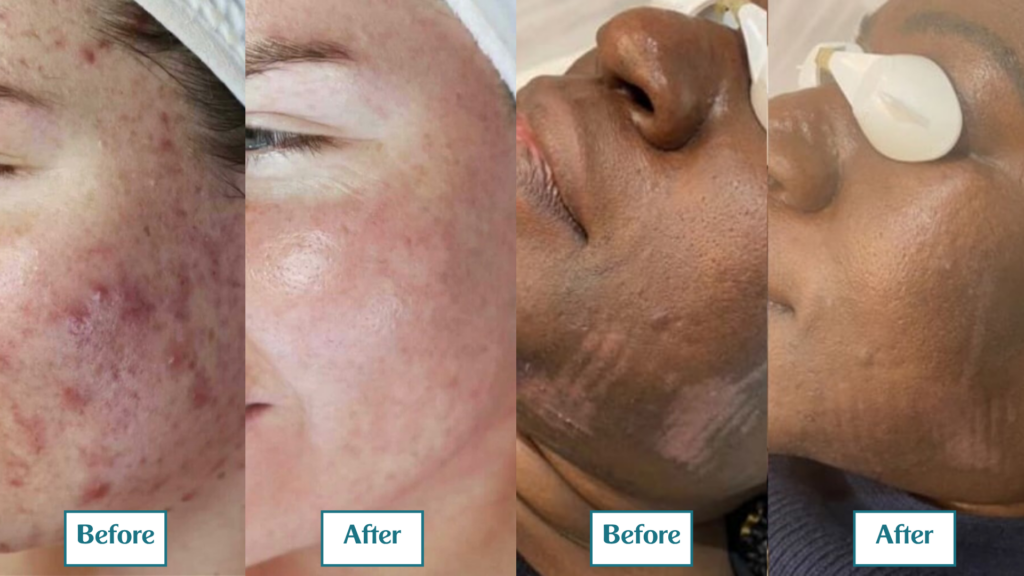
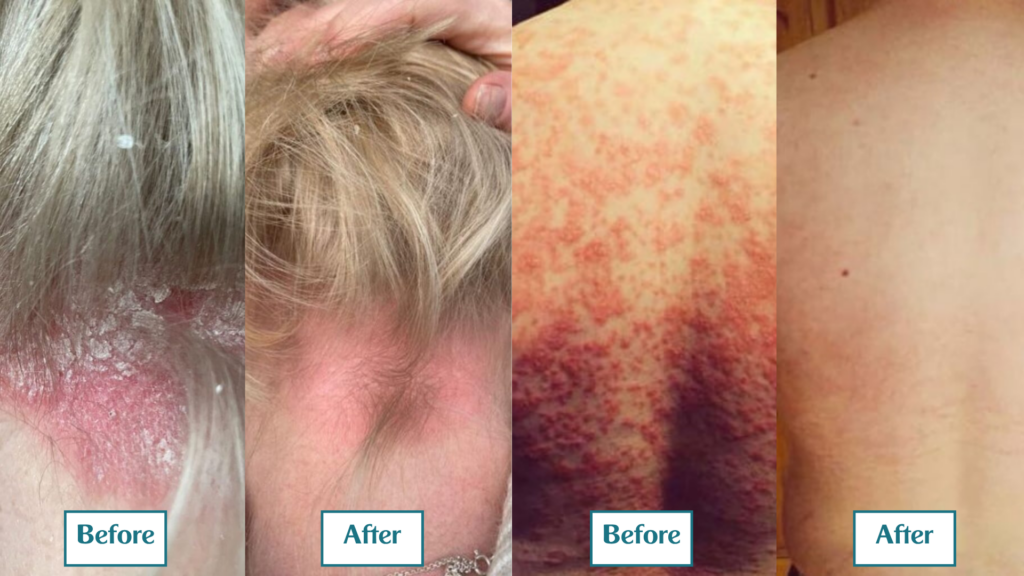
Before and After Results With Dermalux LED Phototherapy
Many patients begin to notice improvements in skin clarity, tone, and overall skin health after a course of treatments.
Results can vary depending on the concern being treated, but patients commonly report:
- Calmer looking skin
- Reduced breakouts
- Improved hydration
- Brighter complexion
- Smoother skin texture
- Reduced redness
Because dermalux LED phototherapy supports natural cellular function, results often continue to improve progressively over time.
Frequently Asked Questions About LED Therapy
Is LED Therapy Safe?
Yes. The Dermalux Tri-Wave MD uses clinically validated wavelengths and is considered a safe, non-invasive treatment when performed by trained professionals.
How Many LED Therapy Sessions Will I Need?
The number of sessions varies depending on your skin concerns and goals. Many patients benefit from a course of treatments for optimal results, followed by maintenance sessions.
Does LED Therapy Hurt?
No. LED therapy is painless and comfortable. Most patients find the treatment relaxing.
Can LED Therapy Be Combined With Other Treatments?
In some cases, dermalux LED phototherapy can complement other skin treatments. Your clinician will advise on the most appropriate treatment plan for your skin.
Is There Any Downtime After Dermalux LED Phototherapy?
No. One of the major advantages of LED therapy is that patients can usually return to normal activities immediately after treatment.
Is LED Therapy Suitable for Darker Skin Types?
Dermalux LED phototherapy is generally considered suitable for a wide range of skin tones, including darker skin types. Unlike some laser or heat-based treatments, LED therapy does not target pigment within the skin, making it a gentler option for patients concerned about post-inflammatory pigmentation or irritation.
Because the treatment is non-invasive and does not damage the skin barrier, dermalux LED phototherapy can often be used safely across different skin types when delivered by trained professionals. Your clinician will assess your skin during consultation to ensure the treatment is appropriate for your individual concerns and goals.
Who Should Not Have LED Therapy?
Although LED therapy is suitable for many patients, it may not be appropriate for everyone. Treatment may not be recommended for patients with certain light-sensitive medical conditions or those taking medications that increase photosensitivity.
Patients should always inform their clinician about:
- Current medications
- Existing medical conditions
- Pregnancy or breastfeeding
- Recent skin treatments or procedures
A consultation is important to determine whether dermalux LED phototherapy is suitable for your skin and treatment goals. Dermalux LED phototherapy is designed to support overall skin health and recovery and should not replace medical assessment or treatment where clinically required.
Why Choose Cathedral Dermatology for LED Therapy?
At Cathedral Dermatology, patients benefit from medically led care delivered by experienced professionals using advanced skin technology.
We understand that busy patients want treatments that are effective, evidence based, and practical for everyday life. That is why the Dermalux Tri-Wave MD has become such a popular treatment option within our clinic.
Our team provides personalised treatment plans tailored to your skin concerns and goals, helping you achieve healthier looking skin with convenient, comfortable care.
Book Your Dermalux LED Therapy Consultation
If you are looking for a non-invasive treatment that works around your lifestyle, LED therapy could be the ideal solution.
To learn more about dermalux LED phototherapy or to book your consultation, visit:
Dermalux Tri-Wave MD at Cathedral Dermatology