
As the days get shorter and temperatures begin to drop, many people notice changes in their skin. Dryness, itching, redness and irritation can become more difficult to manage, particularly for those living with eczema. If your skin seems to flare up as summer turns to autumn, you are not alone.
Eczema in Autumn is a common concern because colder outdoor temperatures, reduced humidity and indoor heating can all contribute to dry, irritated skin. Seasonal changes may also introduce other triggers, from heavier clothing to increased exposure to indoor allergens.
Although not everyone experiences worse eczema during autumn and winter, understanding what may trigger a flare-up can help you take practical steps to protect your skin.
In this guide, we explore why eczema can worsen in colder weather, how to care for your skin during autumn and when to seek professional dermatological advice.
What Is Eczema?
Eczema is a group of inflammatory skin conditions that can cause dryness, itching, redness and irritation. Atopic eczema, also known as atopic dermatitis, is one of the most common types.
Eczema can affect people of all ages, although atopic eczema often begins during childhood. Symptoms can vary between individuals and may change over time, with periods when the skin improves followed by flare-ups when symptoms become more noticeable.
Depending on the type of eczema and your skin tone, affected areas may appear red, purple, grey, lighter or darker than the surrounding skin. The skin may also become scaly, cracked, thickened or sore. Scratching can further damage the skin and sometimes cause bleeding.
Eczema is associated with a weakened skin barrier. Normally, the outer layer of the skin helps retain moisture and protect against irritants and allergens. When this barrier does not work as effectively, moisture escapes more easily and substances that irritate the skin can penetrate it more readily.
This helps explain why environmental changes can have a noticeable effect on eczema symptoms.
According to the NHS and Eczema UK, formerly known as the National Eczema Society, eczema can be aggravated by irritants, allergens, heat and changes in temperature. These factors can become particularly relevant as the seasons change.
Why Does Eczema in Autumn Often Get Worse?
There is no single reason why everyone’s eczema behaves differently during autumn. Instead, several environmental and lifestyle changes can contribute to flare-ups, particularly when the skin is already dry or sensitive.
1. Colder Weather Can Dry Out Your Skin
One of the main reasons eczema in Autumn can become more difficult to manage is the effect of colder weather on the skin.
Cold outdoor air and low humidity can contribute to moisture loss from the skin. For people with eczema, whose skin barrier may already struggle to retain moisture, this can lead to increased dryness, tightness and irritation.
As the skin becomes drier, it may feel rough or uncomfortable and can become more prone to cracking. These changes may intensify itching and make existing eczema patches more noticeable.
Cold winds can also irritate exposed areas, particularly the face, lips and hands. These areas may need additional protection when spending time outdoors.
It is important to remember that cold weather does not cause every case of eczema. However, if you notice a consistent pattern of worsening symptoms as temperatures fall, environmental conditions may be contributing to your flare-ups.
2. Central Heating Can Reduce Indoor Humidity
As the temperature drops, many households turn on their central heating more frequently. Although keeping warm is important, heated indoor environments can become dry, particularly when outdoor humidity is also low.
Lower indoor humidity can contribute to moisture loss from the skin, potentially making eczema symptoms worse.
You may notice this after spending several hours in a heated room, waking up with particularly dry skin or moving between cold outdoor air and warm indoor environments.
Sudden changes in temperature can also aggravate eczema for some people. Moving from the cold outside into a very warm room may cause discomfort, particularly if your skin is sensitive to heat.
To help reduce these effects, aim for a comfortable, relatively consistent indoor temperature. Wearing several light layers can make it easier to adjust your clothing without becoming too hot.
Avoid sitting directly beside radiators or other heat sources for prolonged periods, especially if you notice that warmth makes your skin itch.
If your home feels particularly dry, a humidifier may be worth considering. However, it should be cleaned and maintained correctly to avoid encouraging mould growth, and additional humidity will not suit everyone.
3. Hot Showers and Baths Can Make Dryness Worse
When it is cold outside, a long, hot shower or bath can feel particularly appealing. However, hot water may worsen dryness and irritation, especially when combined with soaps, fragranced shower gels or harsh cleansing products.
These products can remove some of the skin’s natural oils, making it harder for the skin to retain moisture.
If you are managing eczema in Autumn, consider making small changes to your bathing routine:
- Use lukewarm rather than very hot water.
- Keep showers relatively short.
- Choose gentle, fragrance-free cleansing products that suit your skin.
- Consider an appropriate emollient as a soap substitute.
- Pat your skin dry gently rather than rubbing it with a towel.
- Apply your usual moisturiser promptly after bathing.
These measures can help reduce unnecessary irritation and support the skin barrier. The aim is to avoid excessive heat and products that leave your skin feeling tight, dry or uncomfortable.
4. Autumn Clothing Can Irritate Sensitive Skin
As the weather gets colder, jumpers, scarves, gloves, tights and heavier coats become part of everyday life. However, some fabrics can aggravate eczema, particularly when they rub against inflamed skin.
Wool and other rough or scratchy materials may trigger itching or discomfort in some people. Tight clothing, rough seams and labels can also cause friction.
Layers can be useful for keeping warm, but becoming overheated beneath them may cause sweating. Sweat and changes in body temperature can aggravate itching for some people with eczema.
To help reduce clothing-related irritation:
- Choose soft fabrics, such as cotton, where practical.
- Wear comfortable clothing that does not rub tightly against affected areas.
- Remove or adjust layers when you become too warm.
- Wash new clothes before wearing them.
- Use a laundry detergent that suits your skin and avoid fabric products that you know cause irritation.
Everyone has different triggers, so pay attention to how your skin responds to particular fabrics and clothing combinations.
If a certain jumper or scarf repeatedly causes discomfort, choosing a softer alternative may help you stay comfortable without compromising warmth.

5. Spending More Time Indoors Can Increase Exposure to Triggers
Autumn often means spending more time indoors, particularly when the weather is cold or wet. This can increase exposure to potential eczema triggers within the home.
House dust mites, mould and other indoor allergens may aggravate symptoms in susceptible individuals. Dust mites are commonly found in soft furnishings, bedding, mattresses and carpets, while mould can develop in damp or poorly ventilated areas.
Not everyone with eczema reacts to these allergens, so it is important not to assume that they are responsible for every flare-up.
However, if you notice that your symptoms worsen in a particular room or environment, it may be helpful to consider possible triggers.
Practical measures include:
- Ventilating your home appropriately when possible.
- Addressing damp patches and mould promptly.
- Cleaning dusty surfaces regularly.
- Washing bedding regularly.
- Vacuuming carpets and soft furnishings as appropriate.
- Keeping rooms comfortably warm without allowing them to become excessively hot.
These steps can help maintain a comfortable indoor environment. If you suspect a specific allergy is contributing to persistent eczema, a healthcare professional can advise whether further assessment or patch testing is appropriate.
6. Damp Leaves, Mould and Outdoor Irritants May Contribute to Flare-Ups
Autumn brings fallen leaves, damp gardens and decomposing plant material. For some people, contact with outdoor irritants or allergens may aggravate eczema.
Damp piles of leaves and compost can contain mould spores, while gardening may expose the skin to soil, plants and other substances that cause irritation.
If you enjoy gardening or spending time outdoors, you do not necessarily need to avoid these activities. Instead, consider wearing suitable protective clothing and gloves, avoiding direct contact with substances that have previously triggered symptoms and applying your usual emollient as part of your skincare routine.
If gloves cause sweating or irritation, choose a suitable pair for the task and remove them when practical. Be mindful that the materials inside gloves, as well as the substances being handled, can sometimes contribute to irritation.
If a particular outdoor activity repeatedly causes a flare-up, identifying the likely trigger may help you make appropriate adjustments.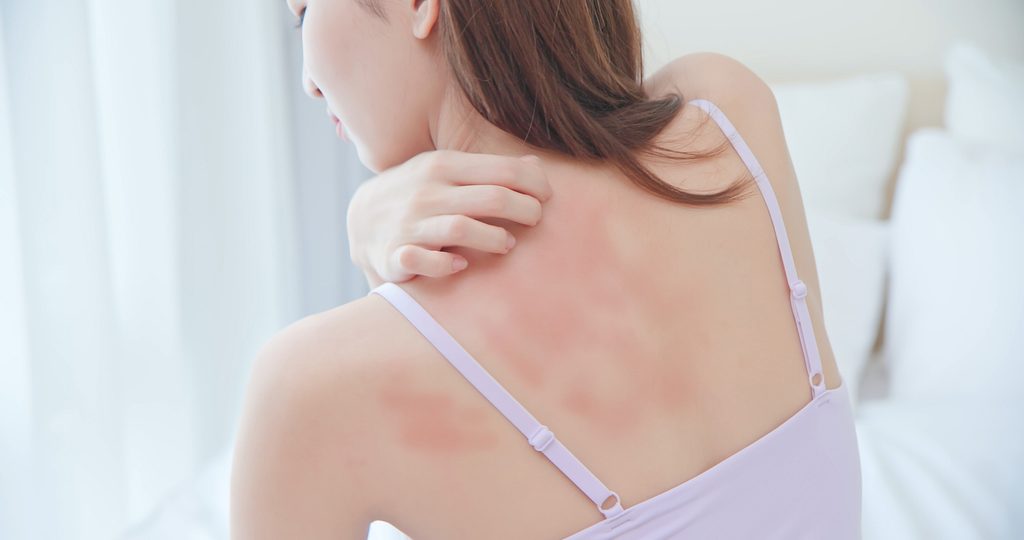
How to Manage Eczema in Autumn: 7 Practical Skincare Tips
Although you cannot control the weather, there are several ways to help manage eczema symptoms as temperatures fall. The most appropriate routine will depend on your skin, the type of eczema you have and any treatment recommended by your healthcare professional.
1. Moisturise Regularly
Regular use of an emollient is an important part of managing eczema. Emollients help soften the skin, reduce moisture loss and support the skin barrier.
You may find that your usual moisturiser is no longer sufficient as the weather becomes colder. Some people prefer a thicker cream or ointment during autumn and winter, as these formulations can help reduce moisture loss.
The best option depends on your individual needs, the area being treated and how your skin responds. You may prefer a lighter product during the day and a greasier ointment at night.
Apply your emollient regularly, including after washing, and reapply as needed in line with the product instructions and your healthcare professional’s advice.
If a product stings, causes irritation or seems to worsen your symptoms, seek advice about a suitable alternative.
2. Continue Your Prescribed Eczema Treatment
Moisturising is important, but it may not be enough to control an active eczema flare-up.
Depending on the severity and type of eczema, treatment may include topical corticosteroids or other prescribed medicines to reduce inflammation. These treatments should be used according to the instructions provided by your prescribing healthcare professional.
If you have previously experienced autumn flare-ups, it may be helpful to check that you have enough of your usual treatments before the colder weather arrives.
Do not increase the strength or frequency of a prescribed treatment without appropriate advice. If your current treatment is no longer controlling your symptoms, arrange a review rather than relying on moisturiser alone.
3. Avoid Overheating
Keeping warm is important during colder weather, but excessive heat can aggravate itching for some people with eczema.
Wear layers that can be added or removed throughout the day. Try to maintain a comfortable room temperature and avoid situations where you become excessively hot or sweaty.
At night, choose bedding that keeps you comfortable without causing overheating. If you regularly wake up feeling hot and itchy, consider whether your bedroom temperature, nightwear or bedding could be contributing.
Small adjustments can help you identify a more comfortable routine.
4. Choose Gentle Skincare Products
Products containing fragrance, harsh cleansers or other irritating ingredients may aggravate sensitive skin.
During autumn, review the products you use regularly, including soaps, shower gels, moisturisers and laundry detergents.
Choose gentle products that are suitable for eczema-prone skin and avoid introducing several new products at once. This makes it easier to identify a product that causes irritation.
Remember that products labelled as natural are not automatically suitable for eczema. Some botanical ingredients and essential oils can also cause irritation or allergic contact dermatitis.
If you are unsure which products are appropriate, ask a pharmacist, GP or dermatologist for advice.
5. Protect Exposed Skin Outdoors
The face and hands are frequently exposed to cold air and wind during autumn. If these areas are prone to eczema, applying a suitable emollient before going outside may help protect the skin.
Wear gloves when temperatures fall and choose soft materials that do not irritate your hands. If your hands are frequently washed, reapply an appropriate moisturiser afterwards.
If you have eczema around your lips, use a suitable fragrance-free lip moisturiser and avoid repeatedly licking your lips, as this can worsen dryness.
Continue to protect your skin from ultraviolet radiation when necessary, even when the weather is cool or cloudy.
6. Identify Your Personal Triggers
Eczema triggers vary from person to person. While cold weather and indoor heating may be important for some people, others experience flare-ups because of particular products, fabrics, allergens, stress or infections.
Keeping a simple record of your symptoms may help you identify patterns.
You could note when a flare-up starts, which areas are affected, changes in temperature, new skincare products and any activities that appear to make your symptoms worse.
This information may also be useful when discussing your condition with our dermatology team.
Avoid eliminating foods or making major lifestyle changes without a clear reason and appropriate advice. Eczema has multiple contributing factors, and an apparent association does not always mean a particular exposure is responsible.
7. Look After Your Overall Wellbeing
Living with persistent itching can affect sleep, concentration and general wellbeing. Poor sleep and the discomfort associated with eczema can make everyday life more difficult.
Try to maintain a consistent sleep routine, use comfortable bedding and keep your bedroom at a temperature that does not cause overheating.
It is also worth seeking support with us if eczema is affecting your mood, confidence, work or social life. Persistent skin symptoms can be frustrating, and you do not need to wait until they become severe before asking for help.
A healthcare professional can help you review your treatment and identify practical ways to manage symptoms more effectively.
If you are struggling with eczema in Autumn and finding it difficult to manage dry, itchy or irritated skin, Cathedral Dermatology is here to help. Our consultant-led team in Belfast can assess your skin concerns and discuss suitable treatment options tailored to your needs. Visit Cathedral Dermatology to learn more about our dermatology services and take the next step towards managing your skin health.